
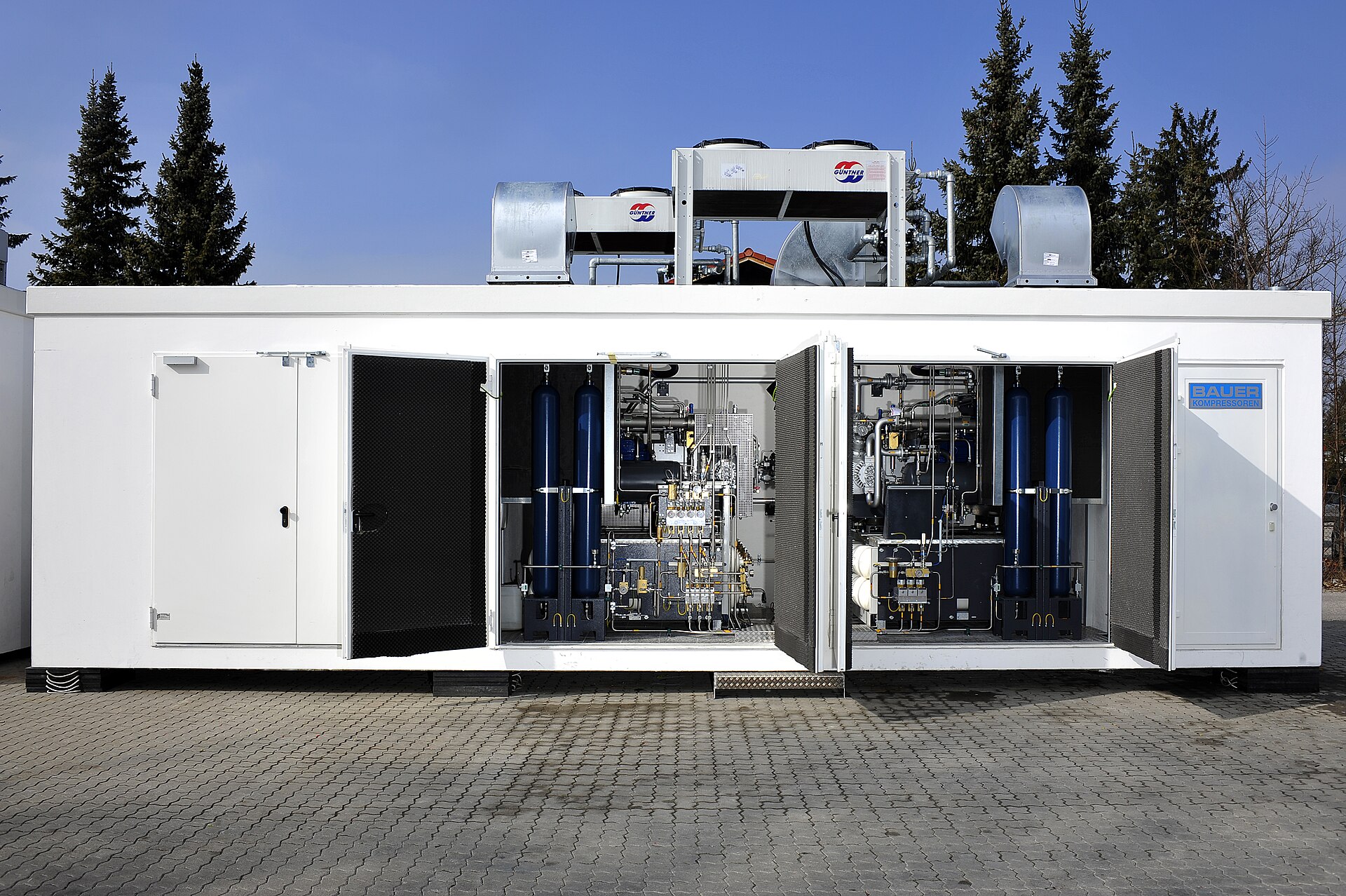
CNG Station Equipment
Compressors, cascade storage, dispensers, control and safety systems.
CNG Bangladesh is a practical, factual resource on compressed natural gas: how it powers vehicles, how it supplies industry, and the equipment, workshops and testing centres that keep it safe.
Photograph: CNG station near Dhaka, 2009 — Faizul Latif Chowdhury, CC BY-SA 3.0, via Wikimedia CommonsPractical, factual information for vehicle owners, businesses and industry professionals.
What compressed natural gas is, how compression and storage work, and where its benefits and limits lie.
Learn about CNG → CNG for AutomotiveThe history of CNG vehicles in Bangladesh, conversion, cylinders, refuelling, running costs and safety.
Explore automotive CNG → CNG for IndustryGas supply for factories, boilers and furnaces — regulation, metering, transportation and safety.
Explore industrial use →From the machinery inside a filling station to the centres that re-test cylinders — each area has its own page.
Compressors, cascade storage, dispensers, control and safety systems.
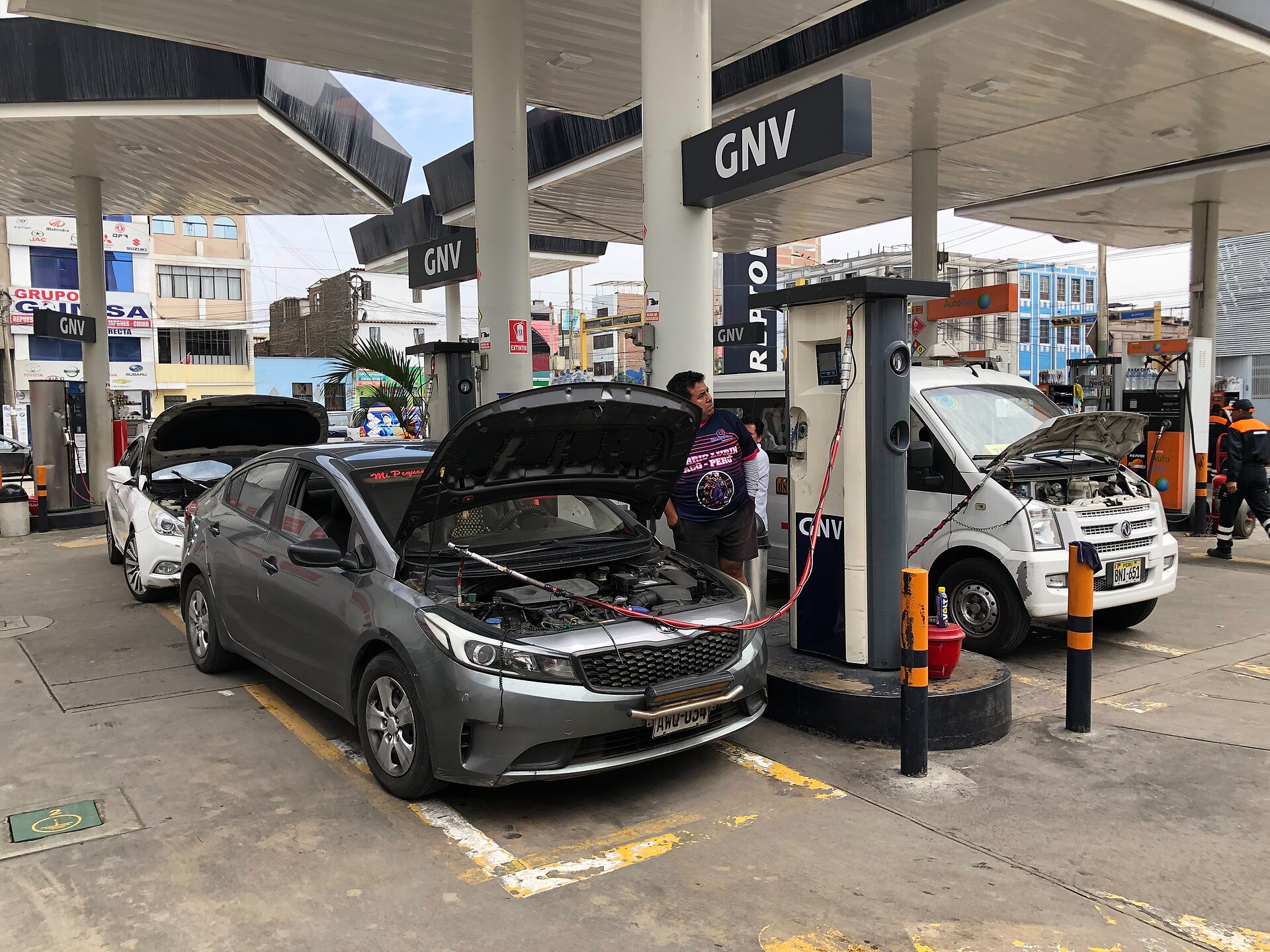
Design, layout, operations and safety of refuelling stations.
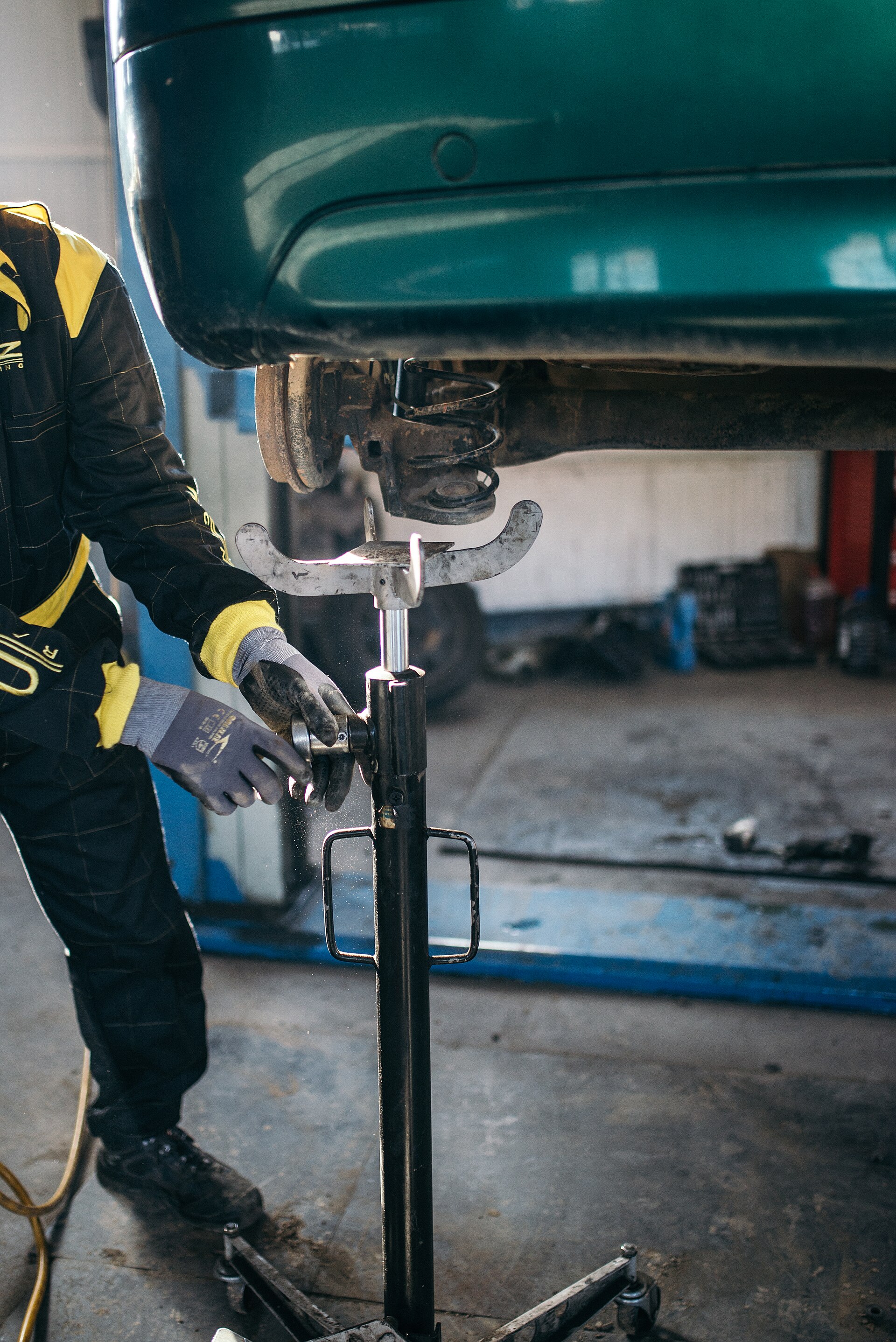
Kit installation, calibration, cylinder fitting and maintenance.
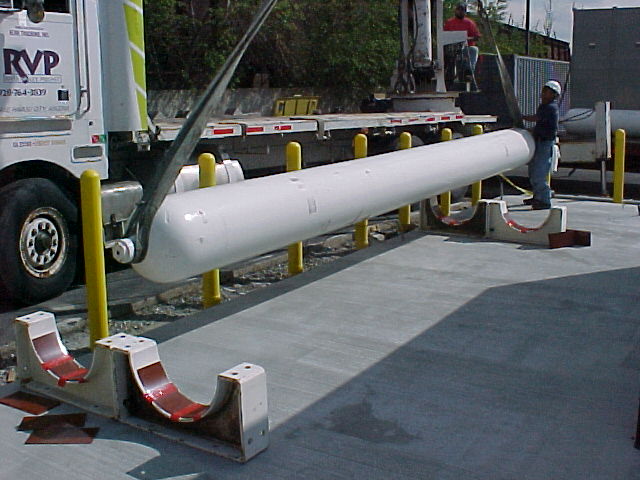
Hydrostatic re-testing, inspection and cylinder certification.
Bangladesh built one of the world's largest CNG vehicle fleets on its own natural gas. Auto-rickshaws, taxis, buses and commercial fleets run on converted bi-fuel engines, and thousands of filling stations and workshops keep them moving.
The same gas also fires the boilers, furnaces and ovens of the country's factories. That makes the CNG chain — compression, storage, conversion, refuelling and re-testing — a matter of daily life and economic importance.

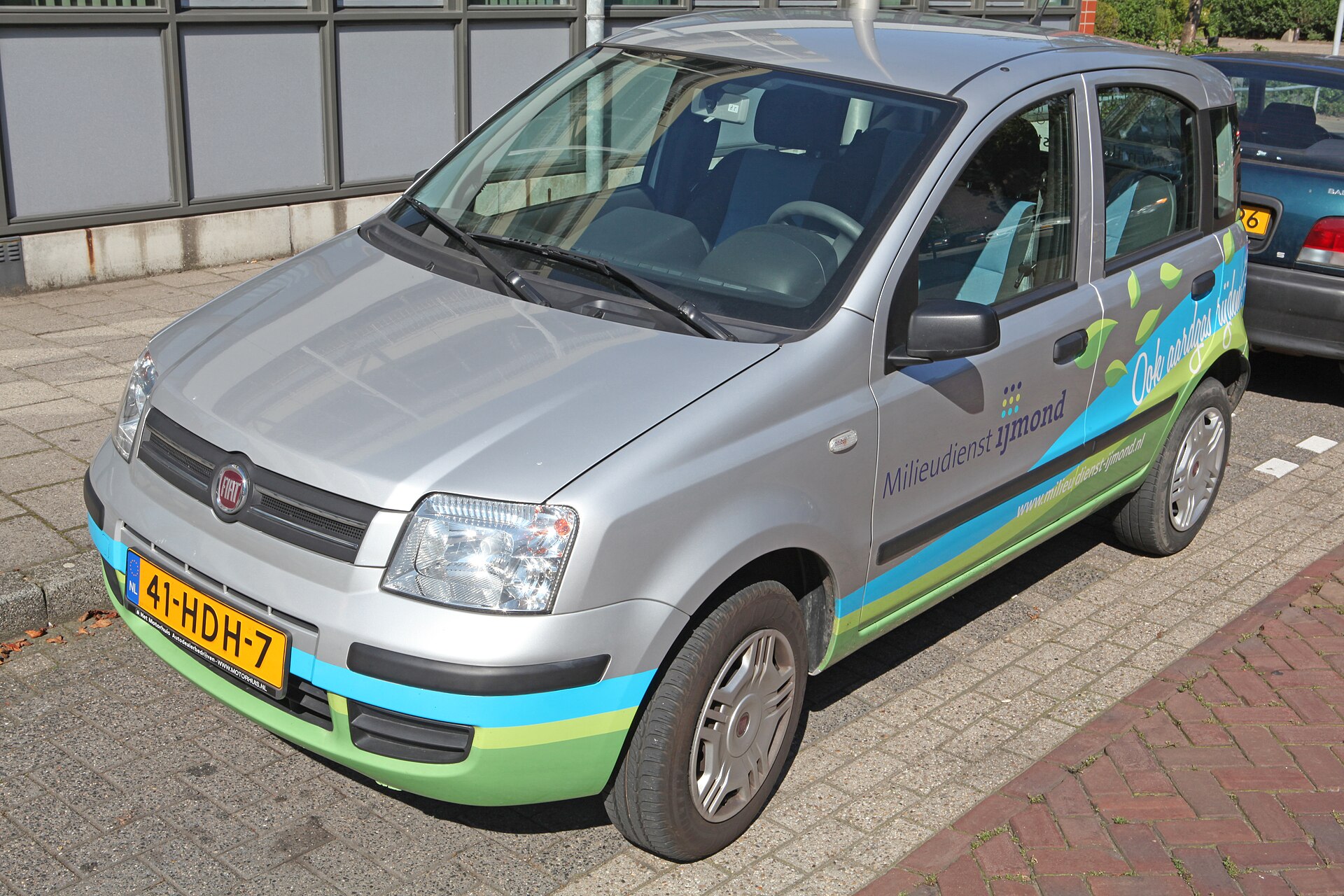
Converting a petrol or diesel vehicle to run on compressed natural gas involves a dedicated kit, a certified cylinder and periodic inspection. A converted vehicle stays bi-fuel: it can switch back to petrol whenever needed.
Factories and plants use natural gas for process heat, boilers and furnaces. Supplying it safely depends on the right pressure equipment, regulation, metering and installation practice — whether the gas comes from the pipeline or arrives compressed and stored on site.
No articles published yet.
News items appear here as soon as the first one is added to the data layer. See the news page for details.
Tell us what you need — vehicle conversion, station equipment or industrial supply — and we will point you in the right direction.


