

CNG cylinder
A certified high-pressure cylinder (or tandem pair) with a defined service life, stamped with manufacture and test data.
A converted vehicle is bi-fuel: it can run on petrol or on CNG and switch between them while driving. The petrol system stays intact, so the vehicle can still be driven if CNG is unavailable.
CNG is stored in a certified cylinder and delivered to the engine at low pressure through a reducer, where it is mixed with air or injected under the control of a dedicated electronic unit.
For fleet operators, the main considerations are fuel cost per kilometre, access to refuelling, cylinder certification and the discipline of keeping inspection dates.
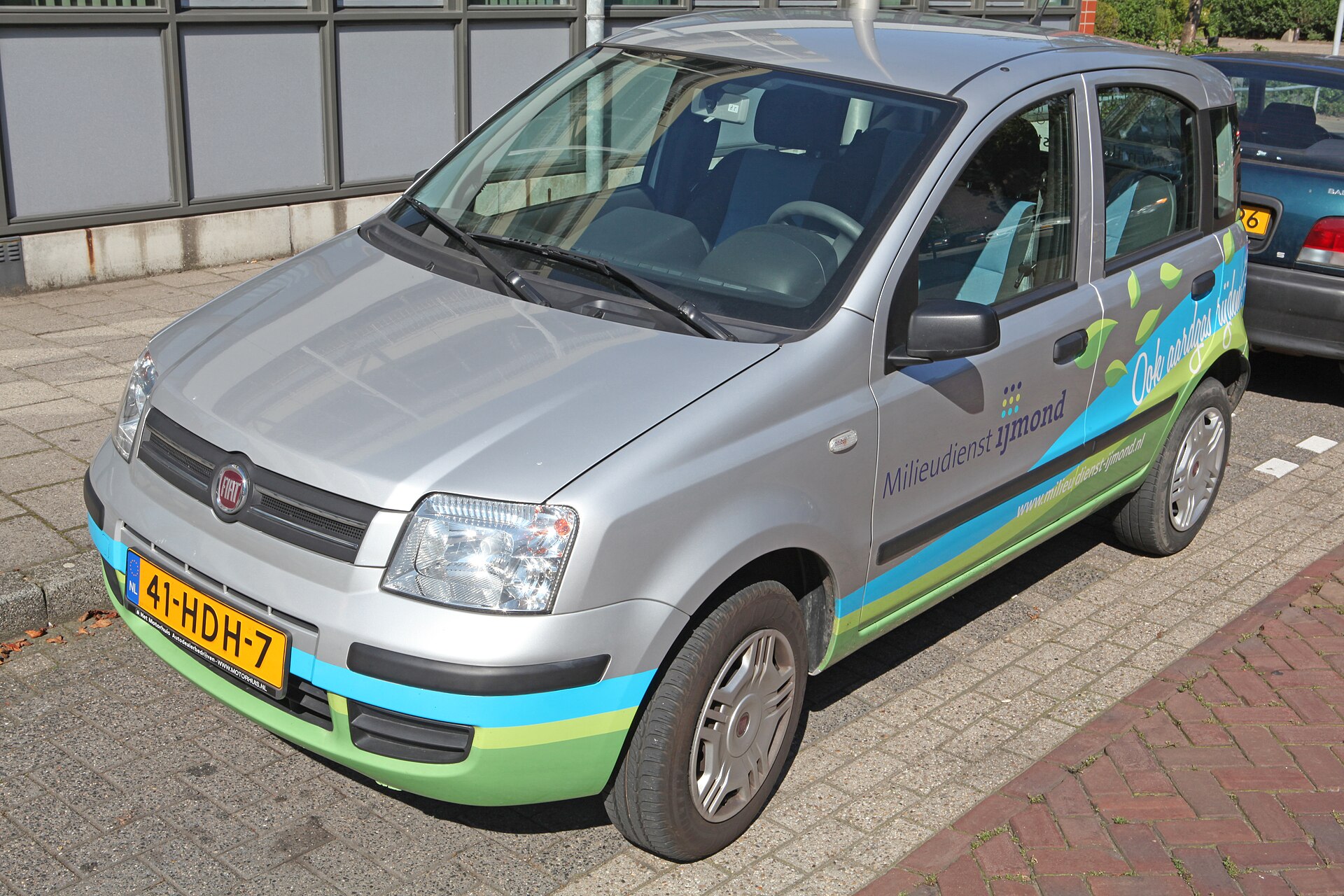
The shift to CNG was not a single decision but a two-decade transition driven by fuel economics, air quality and policy.
As domestic natural gas production grew, policy encouraged vehicle owners to convert from petrol to CNG. Conversion workshops appeared alongside the first filling stations.
Directives against older, more polluting two-stroke auto-rickshaws and taxis pushed operators towards cleaner vehicles. Converted three-wheelers became the cheapest way to run, and the word “CNG” entered everyday speech for the vehicles themselves.
The refuelling network spread beyond Dhaka and Chittagong to most district towns, and conversion, maintenance and cylinder re-testing became an industry in their own right.
CNG remains the backbone of urban passenger transport while the country weighs gas supply, emissions rules and newer alternatives. Older cylinders reaching re-test and retirement age keep re-testing centres busy.
A professional conversion follows a repeatable sequence. The exact components depend on the engine and the kit used.
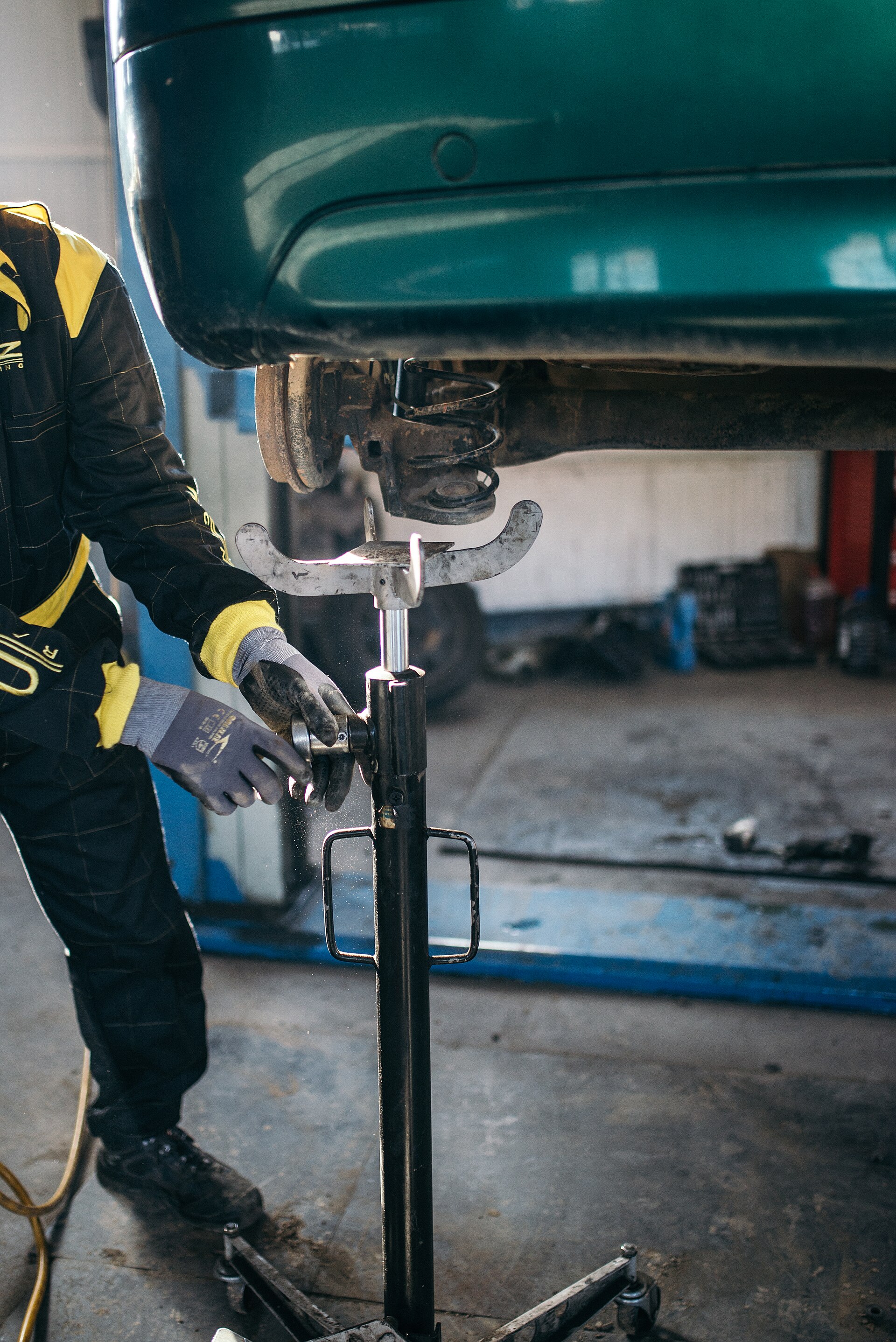
Eight parts do the work of turning high-pressure gas into a controlled fuel supply for the engine.
A certified high-pressure cylinder (or tandem pair) with a defined service life, stamped with manufacture and test data.
The manual shut-off valve on the cylinder, opened only when the vehicle is running on gas.
Stainless or copper-nickel line from cylinder to engine bay, secured and protected from chafe and heat.
A non-return filling point, usually in the engine bay, where the station dispenser couples to the vehicle.
Reduces cylinder pressure to low pressure and uses engine coolant to warm the gas and prevent icing.
Adds gas to the air charge: a mixer on older carburettor engines, an injector rail on modern multipoint engines.
A dedicated controller that manages gas quantity and petrol changeover, working alongside the petrol ECU.
The dashboard switch showing fuel mode and the gas level, and switching between petrol and gas automatically.
Vehicle cylinders are manufactured and certified to a recognised standard, with the manufacture date and test pressure stamped on the cylinder neck or label. Only cylinders approved by the relevant authority should be fitted.
Cylinders have a defined service life and must pass hydrostatic re-testing at the required interval. An expired test means the vehicle should not run on CNG until the cylinder has been tested and certified again.
Drivers should watch for the smell of gas, hissing near the cylinder or regulator, warning lights, and any damage to mounting brackets or piping. A cylinder valve should be closed when the vehicle stands for long periods.
At a CNG station the dispenser couples to the vehicle's filling valve and fills the cylinder to its rated pressure. Stations normally fill from cascade storage in several pressure steps, so the flow slows down towards the end of the fill — a full fill simply takes a few minutes.
The same cylinder valve discipline applies after filling: the valve is opened for driving and closed when the vehicle is parked for extended periods.
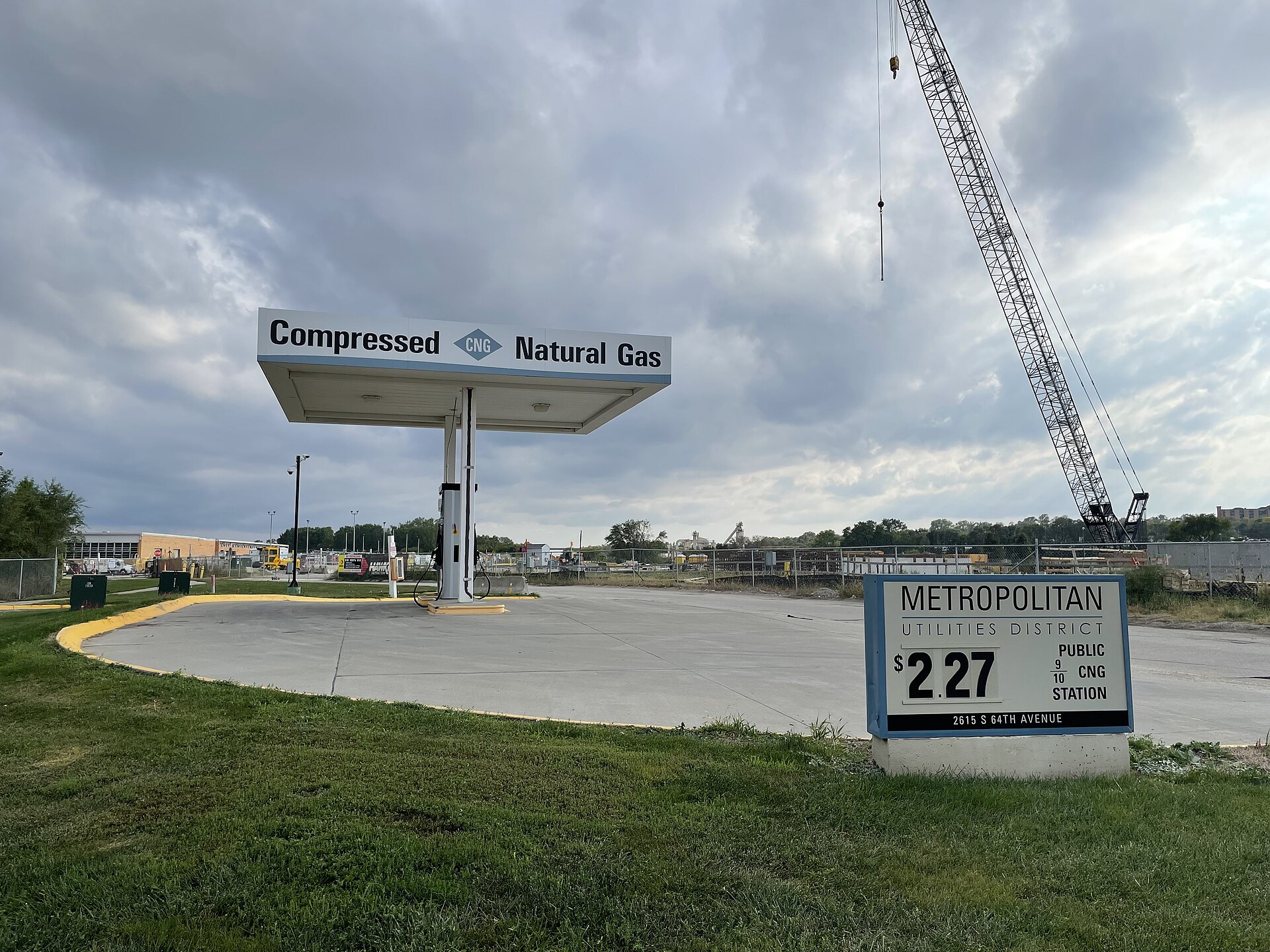
The saving from CNG depends entirely on the prices of CNG, petrol and diesel at the time. Those prices change with tariff decisions, so this site shows them as configurable placeholders rather than quoting figures that would go stale.
How to use these figures. Enter verified prices in
includes/config.php (FIGURES) and they will
appear here automatically. Until then, treat every cost comparison
you read elsewhere as a snapshot with a date on it — and
remember that conversion cost, cylinder re-testing and maintenance
belong in any honest comparison, not just the price at the pump.
If you smell gas. Switch to petrol, close the cylinder valve, stop safely and have the system checked before continuing. Do not investigate with a flame, and avoid operating electrical switches in a gas-filled space.
Workshops matter. Conversion quality decides both fuel economy and safety for years. See the conversion workshop and re-testing centre pages for what a professional service covers.
See the Products & Services overview for the four service areas.
