
Boilers
Steam and hot-water boilers for process heating, humidification and building services.
Factories use natural gas wherever heat is needed: boilers that make steam, furnaces and ovens for drying or curing, and direct-fired equipment in food, textile, brick and ceramic production. Gas is piped to the point of use and burned in controlled burners.
Supply can come from the national gas pipeline, or from compressed gas delivered and stored on site where pipeline capacity is limited or unavailable. In either case the site needs pressure regulation, metering, leak detection and trained operators.
The practical benefits are convenience compared with handling liquid fuels, controllable flame quality, and simpler storage — but the correct setup depends entirely on the process and its heat demand.
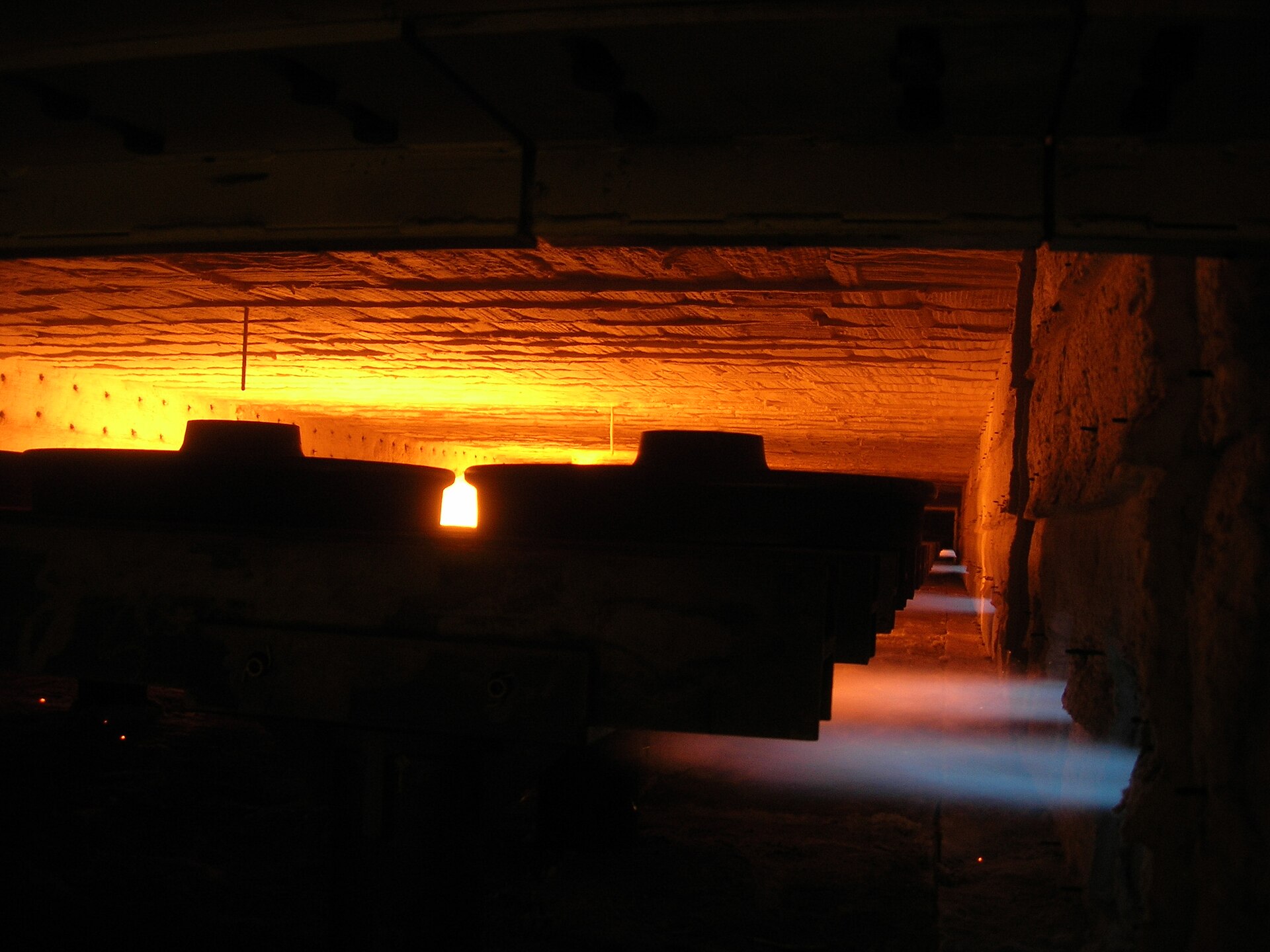
Steam and hot-water boilers for process heating, humidification and building services.
Drying, curing and firing in brick, ceramic, glass and metal work, at controlled temperatures.
Dryers, roasters and coating lines where a gas flame contacts the product or the process air directly.
Generator sets and combined heat and power units producing electricity and usable waste heat.
Every application is a heating value calculation first. Burner rating, daily running hours and peak demand decide what pipe sizes, regulators and storage a site needs — long before any equipment is chosen.
Gas supply to industrial consumers can vary with season, national demand and field output. Periods of low pressure or interrupted supply force factories to throttle production, switch fuels at short notice, or run less efficient back-up equipment.
This is the main reason industrial users look at alternatives: delivered CNG storage on site, dual-fuel capability, or additional regulation equipment to keep burners stable while inlet pressure swings.
Four groups of equipment stand between a storage vessel or pipeline and a working burner.
Regulators and safety shut-off valves reduce storage or pipeline pressure to the level the burner requires — usually in two stages, with venting sized for the flow.
For on-site CNG or LPG supply, cylinder bundles feed through vaporisers or regulation trains sized to peak demand, not average demand.
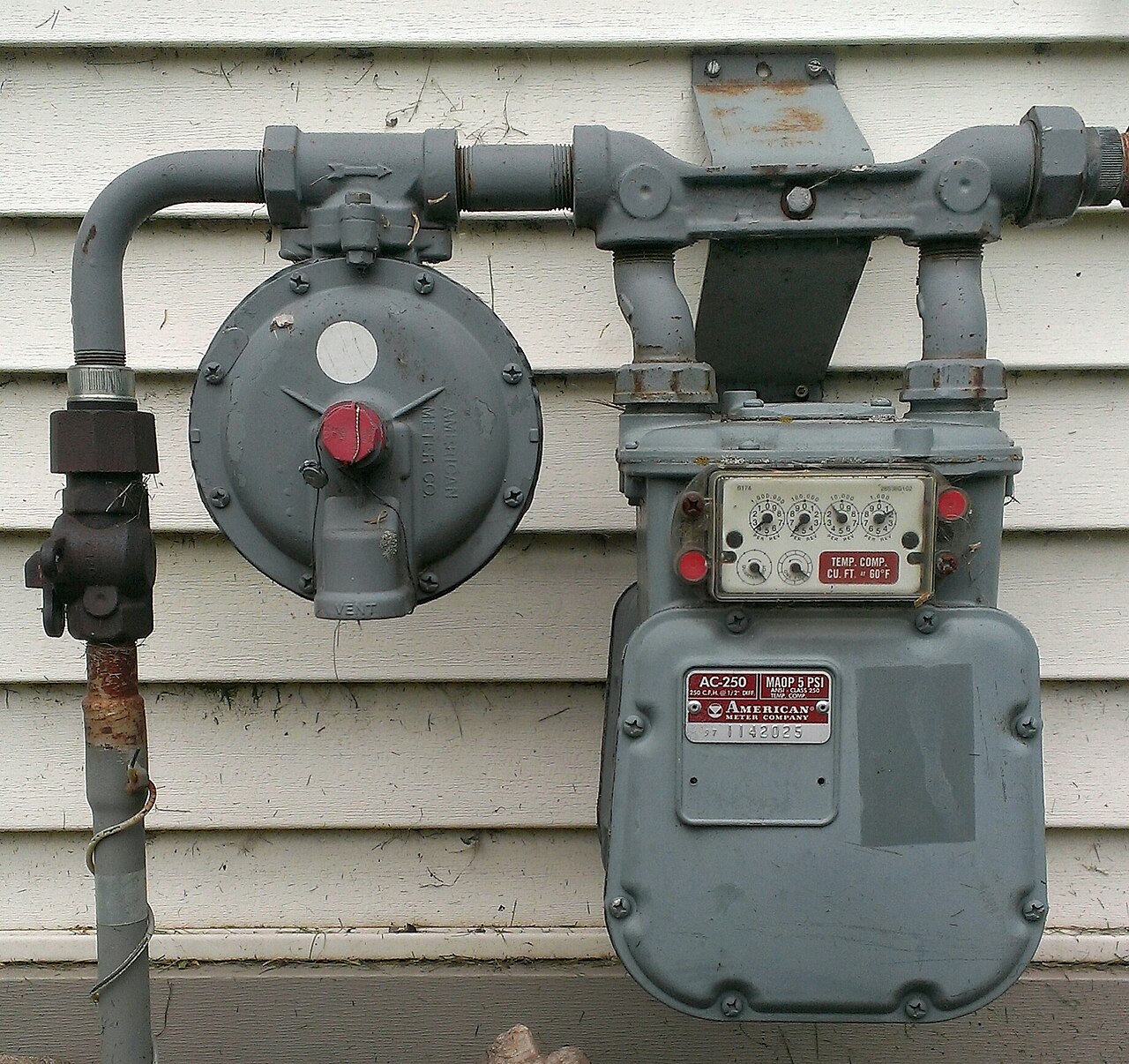
Flow meters and pressure gauges record consumption and make it possible to spot leaks, theft and inefficiency early.
Gas detection, ventilation and emergency cut-off valves are part of any well-designed installation, with regular testing of every trip.
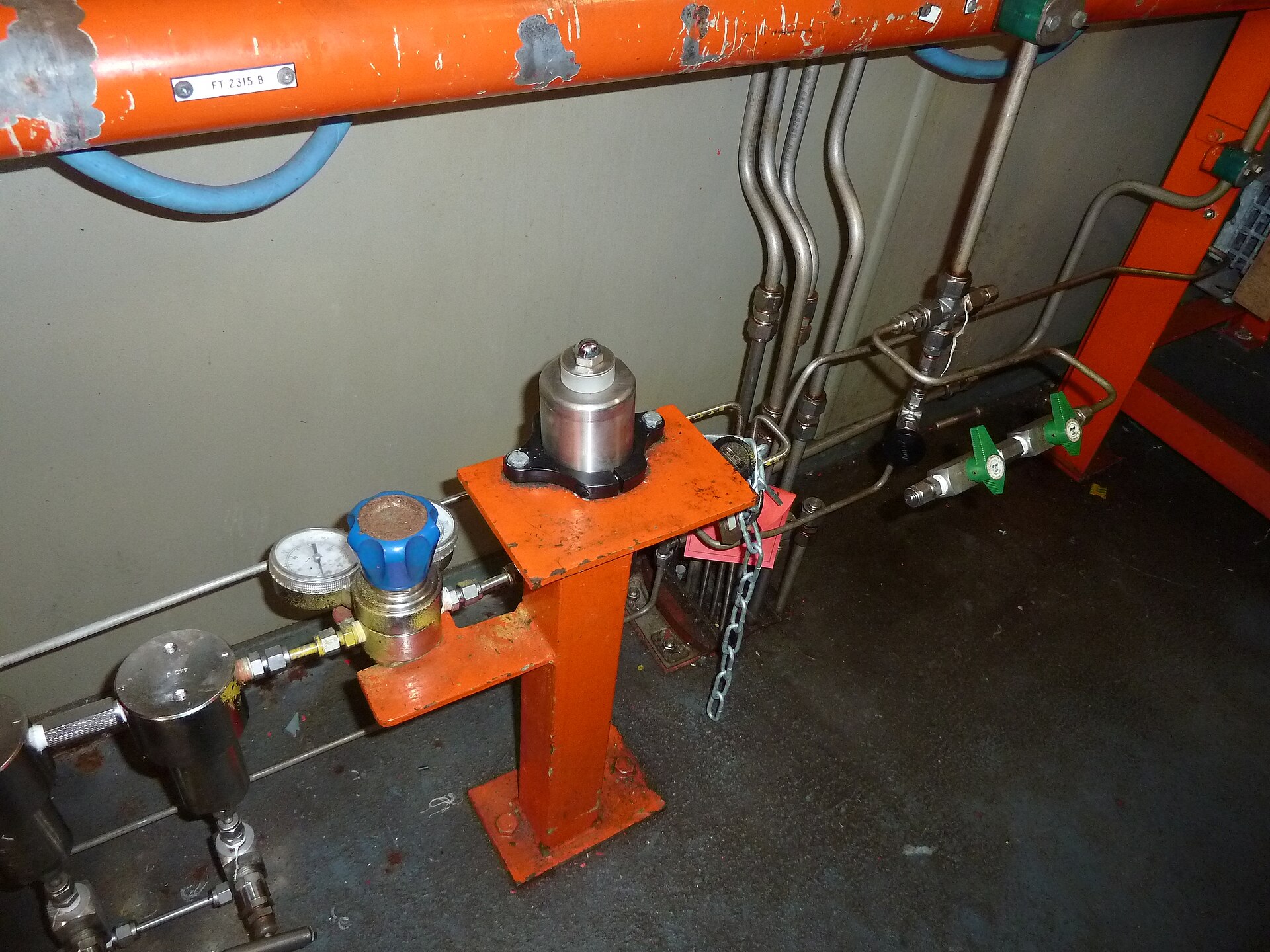
Storage pressure and pipeline pressure are far higher than what a burner can accept. Regulation normally happens in stages: a master regulator drops storage pressure to an intermediate level, and a second regulator near the equipment trims it to the burner manufacturer's setting.
Metering serves three purposes on an industrial site: billing reconciliation with the supplier, process control (burners are tuned against known gas quantities), and leak detection — a site that consumes more gas than its processes can explain is leaking somewhere.
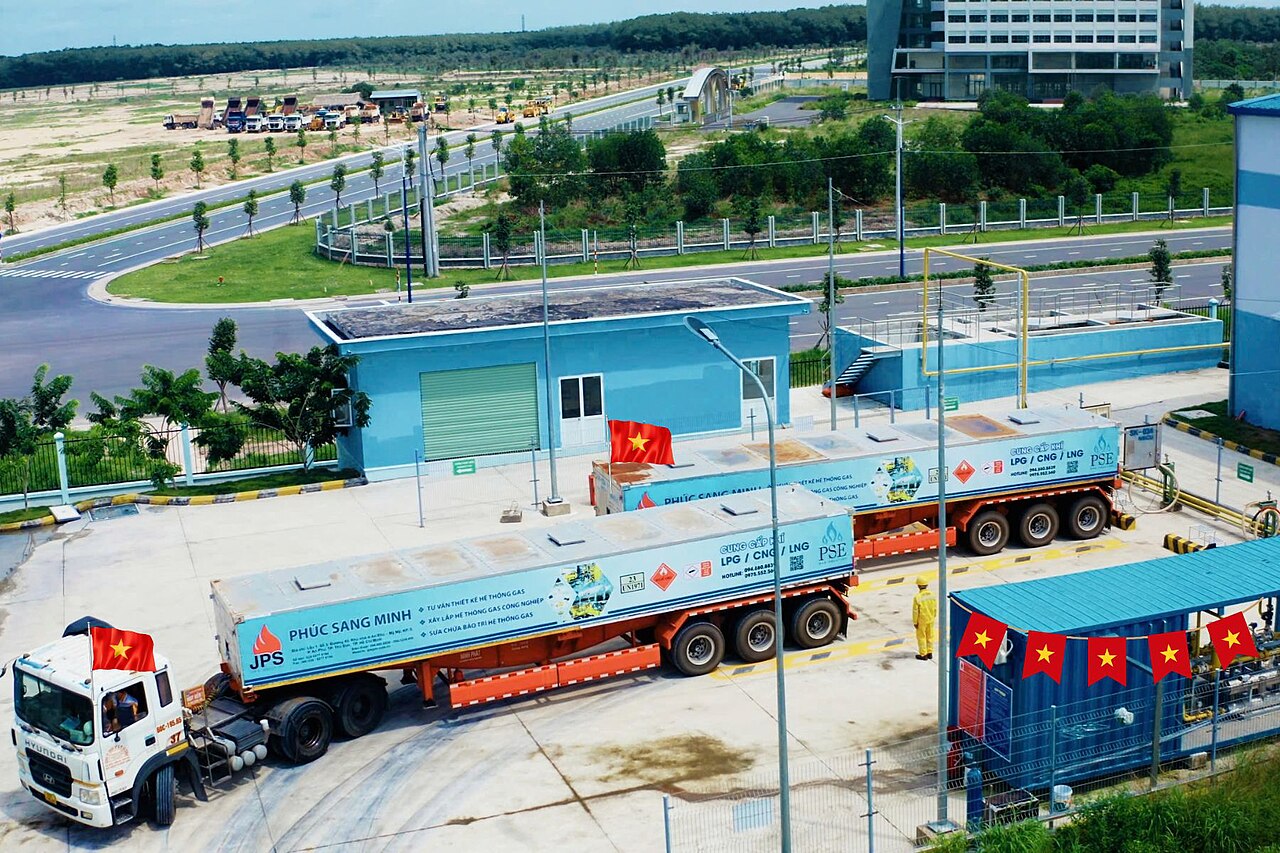
Where the pipeline does not reach — or cannot supply enough — CNG offers a way to move gas by road. Gas is compressed to around 200–250 bar into tube trailers (bundles of long cylinders), trucked to the site, and transferred into on-site storage.
A pressure reducing unit (PRU) at or near the site drops the arrival pressure to a stable distribution level. Because trailers arrive at high pressure and leave empty, the whole chain — unloading bay, grounding, spacing and valve access — is designed around high-pressure handling.
CNG is natural gas by another delivery method — but that does not make it a drop-in answer for every gas user.
Rule of thumb. Compare delivered cost per unit of useful heat, required burner modifications, supply reliability and safety risk — for the specific process, not for the factory as a whole. A short assessment with the burner manufacturer's data beats any general rule.
Safety is cumulative. Industrial gas incidents rarely come from one dramatic failure — they come from small deviations (a vent blocked, a gauge ignored, a valve serviced late) that line up. A maintenance log and a tested shut-off chain prevent most of them.
Regulatory checks. Installations should meet the requirements of the relevant energy and safety authorities before commissioning, and be re-inspected at the interval they set. Details vary by location and plant size — confirm with the authorities concerned.


