
Compression
Multi-stage gas compressors with intercooling raise pipeline gas to storage pressure. Filters and drying stages remove moisture and contaminants before compression.
Compressed natural gas (CNG) is natural gas stored at high pressure as a fuel. Natural gas consists mainly of methane. At a filling station or gas plant it is compressed from pipeline pressure to a much higher pressure — typically around 200 to 250 bar — so a useful amount of energy fits inside a vehicle cylinder or a station storage cascade.
Because it is a gas, it burns differently from liquid fuels. In a correctly converted engine, CNG burns cleanly and can reduce tailpipe emissions such as carbon monoxide, unburnt hydrocarbons and particulate matter compared with running the same engine on petrol or diesel.
In Bangladesh, CNG powers three-wickshaws, cars, buses and commercial fleets, and natural gas is also supplied directly to industrial users. The abbreviation “CNG” has even become the everyday name for the auto-rickshaws that run on it.
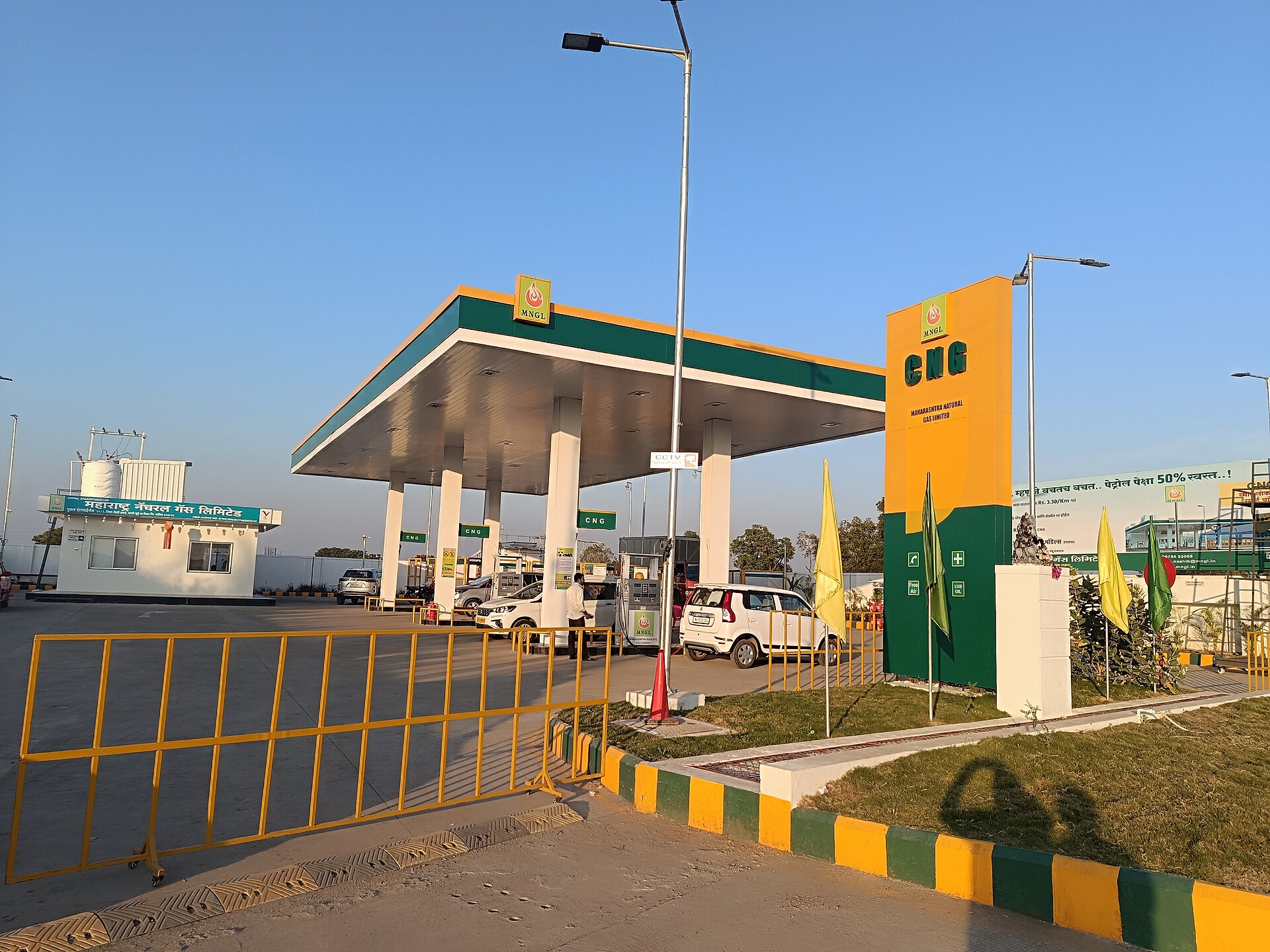
Three stages turn piped natural gas into vehicle fuel. Each one has its own equipment and its own safety rules.
Multi-stage gas compressors with intercooling raise pipeline gas to storage pressure. Filters and drying stages remove moisture and contaminants before compression.
High-pressure cascade storage — banks of cylinders filled in sequence — holds the gas so vehicles can be refuelled quickly without waiting for the compressor to keep up.
A dispenser with a hose and breakaway coupling fills the vehicle cylinder, with pressure monitoring and overfill protection built into the process.
Cars, buses, auto-rickshaws and commercial fleets converted to bi-fuel operation. The vehicle keeps its petrol system and switches to gas with a changeover valve.
Boilers, furnaces, ovens and dryers in textile, food, brick and ceramic production. Gas may arrive by pipeline or compressed and delivered by truck.
Standalone gas engines and generator sets run on CNG where reliable power or combined heat and power is needed — a growing use as energy costs rise.
An honest summary: CNG solves real problems, but it is not a universal answer.
Cost figures change. Fuel prices and savings move with tariff decisions, so this site does not quote fixed numbers. Current figures are shown as placeholders until they are verified — see the running-cost section on the CNG for Automotive page.
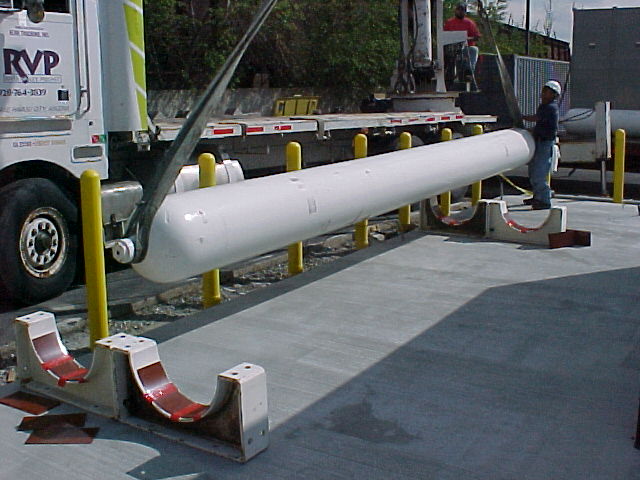
CNG is stored at very high pressure, so safety depends on certified equipment and regular inspection: cylinders with a defined service life, pressure relief devices, correct hose and fitting specifications, ventilation, and periodic re-testing of cylinders and stations.
Learn how this applies to vehicles on the CNG for Automotive page, and to factories on the CNG for Industry page.
Bangladesh turned its natural gas reserves into one of the largest CNG vehicle fleets in the world. Auto-rickshaws, taxis and buses in the major cities run almost entirely on gas, supported by a dense network of filling stations, conversion workshops and re-testing centres.
The fleet grew through government policy from the late 1990s onwards: converting vehicles was cheaper and cleaner than running them on petrol, and directives against older, more polluting three-wheelers and taxis pushed the transition further.
Industry shares the same resource. Factories depend on pipeline gas for heat, so periods of shortage or low pressure directly affect production — which is why delivered CNG and on-site storage are part of the industrial energy picture.
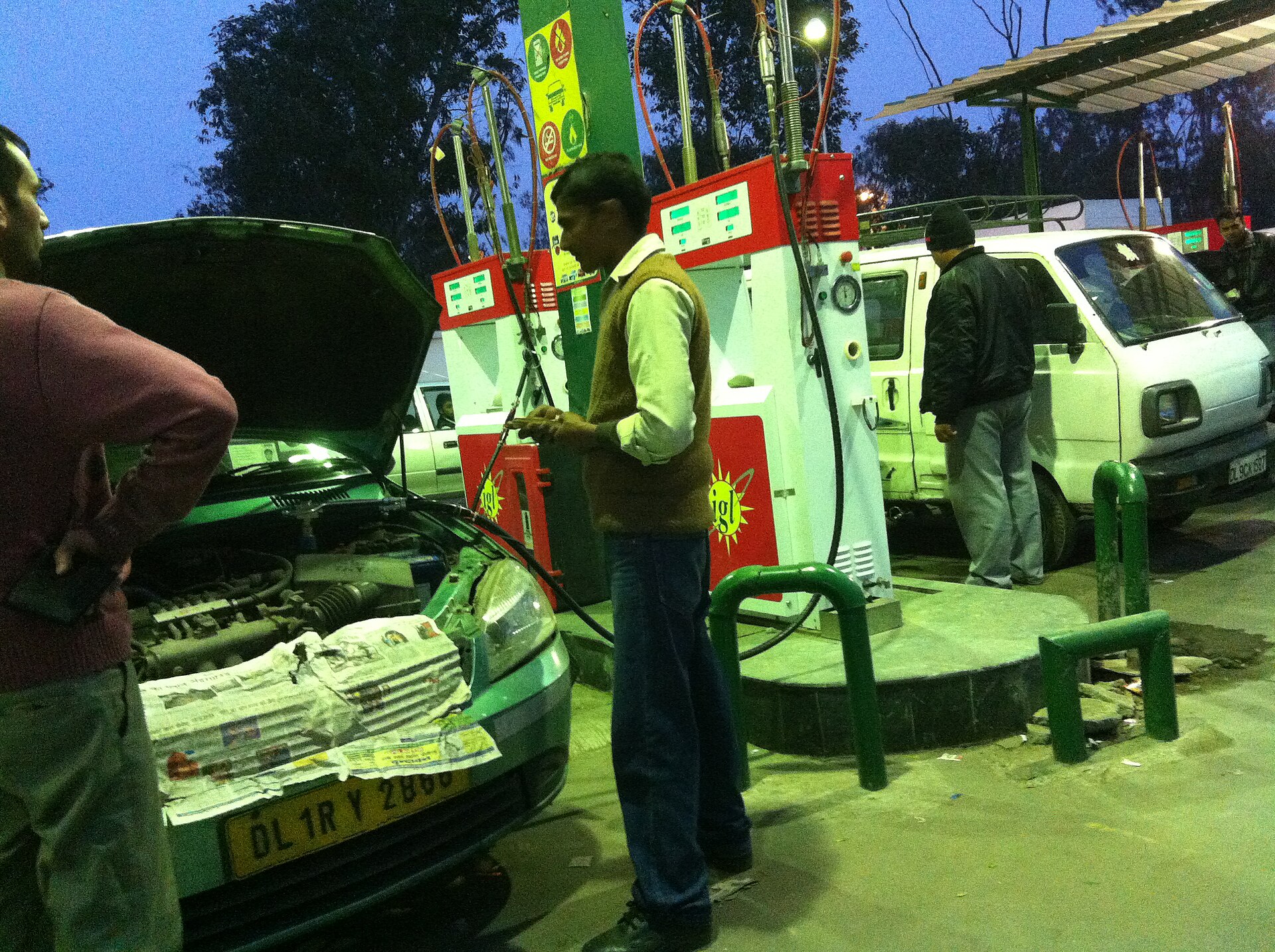
History, conversion, cylinders and daily use in vehicles.
Gas supply for factories, boilers and furnaces.
Equipment, stations, workshops and re-testing.

