Compressed Natural Gas (CNG) was introduced in Bangladesh in the early 1980s as an alternative fuel to reduce dependence on imported petroleum and to utilize the country’s abundant natural gas reserves. The first CNG station was established in Dhaka, and gradually the government promoted its use through policies, subsidies, and infrastructure development. During the 1990s and early 2000s, CNG adoption increased rapidly, especially in urban areas like Dhaka and Chattogram, where air pollution from diesel and petrol vehicles had become a serious concern.
CNG became popular mainly due to its lower cost compared to conventional fuels and its environmentally friendly nature. It produces significantly fewer harmful emissions such as carbon monoxide, sulfur dioxide, and particulate matter. As a result, thousands of vehicles, including auto-rickshaws, buses, and private cars, were converted to run on CNG.
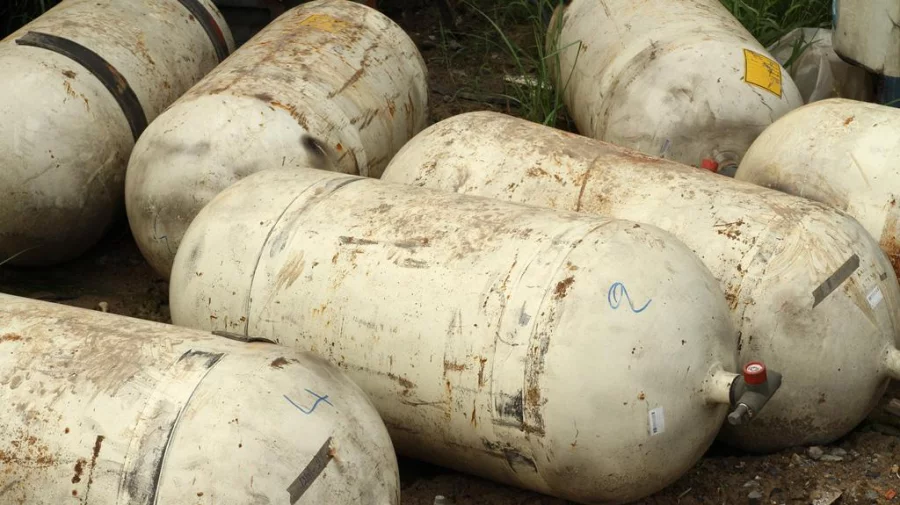
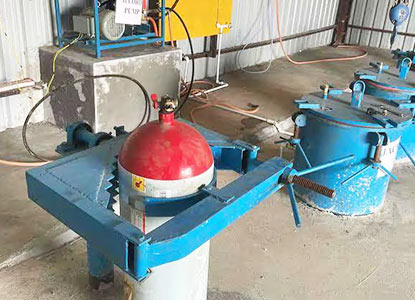
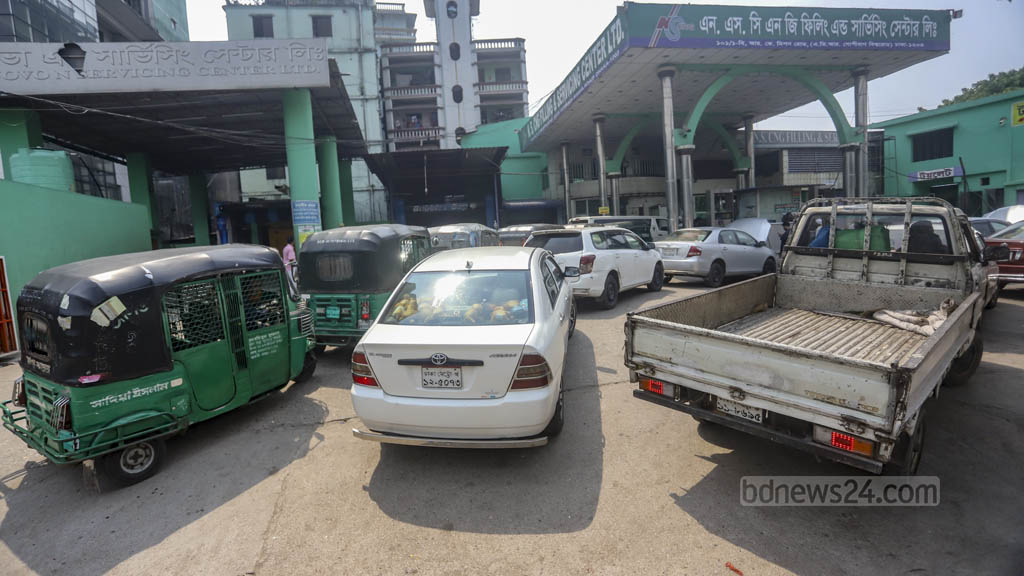
Today, Bangladesh has a well-established CNG network with hundreds of filling stations across the country. It plays a vital role in the transportation sector by reducing fuel costs and minimizing environmental impact. However, challenges such as safety concerns, proper cylinder testing, and gas supply limitations remain important issues that require continuous monitoring and improvement.